
What Is a Satellite Phone?
Definition and Overview
A satellite phone is a type of mobile phone that communicates via satellites rather than terrestrial cell sites. This technology enables users to maintain phone service in remote and rural areas where traditional cellular networks are unavailable. Satellite phones operate by connecting to a network of satellites orbiting the Earth, allowing for global coverage and reliable communication in areas where conventional mobile services fail. This makes satellite phones an invaluable tool for various sectors, including emergency services, maritime operations, and outdoor adventures.
History of Satellite Phones
The concept of satellite telecommunication dates back to the mid-20th century, with the launch of the first artificial satellite, Sputnik, in 1957. By the 1990s, the first commercial satellite phone services were introduced, allowing users to make calls from virtually anywhere on the globe. The technology has evolved significantly since then, transitioning from bulky devices to more portable and user-friendly models. Today, satellite phones are equipped with advanced features such as GPS, data transmission capabilities, and enhanced battery life, making them a popular choice for various professional and personal applications.
How Does a Satellite Phone Work?
Technical Mechanism
Satellite phones function through a complex technical system involving satellites, ground stations, and user devices. When a user makes a call, the satellite phone sends a signal to the nearest satellite in orbit. The signal is then relayed to a ground station, which connects the call to the public switched telephone network (PSTN) or directly to another satellite phone. This mechanism allows for voice communication without relying on terrestrial infrastructures, which can be affected by geographical barriers or natural disasters.
Satellite Communication Process
The satellite communication process involves several steps that ensure calls are successfully connected. Initially, the satellite phone searches for the nearest satellite in its line of sight. Once a connection is established, the phone transmits audio signals that are converted into digital data. This data is sent to the satellite, which relays it to the appropriate ground station. The ground station then routes the call to its final destination, whether it be another satellite phone or a landline. This multi-step relay system is what makes satellite phones capable of providing reliable communication globally.
Coverage and Connectivity
One of the primary advantages of satellite phones is their extensive coverage. Unlike traditional cell phones, which rely on a network of towers, satellite phones can connect in remote regions, over oceans, and in wilderness areas. Major satellite phone providers have a network of low Earth orbit (LEO) and geostationary satellites that ensure connectivity even in the most isolated locations. However, users must ensure they have a clear line of sight to the sky for optimal performance, as obstructions like mountains or buildings can interfere with signals.
Who Uses Satellite Phones?
Industry Applications
Satellite phones are widely used across various industries that require reliable communication in remote or challenging environments. Industries such as oil and gas, mining, maritime, and aviation rely on satellite phones for critical communications, ensuring safety and operational efficiency. For instance, drilling rigs in the ocean rely on satellite phones to coordinate with land-based operations, while pilots flying over vast distances use them for communication with air traffic control when other methods are unavailable.
Emergency Services
Emergency services such as search and rescue operations, disaster response teams, and humanitarian organizations utilize satellite phones to maintain communication during crises. In situations where terrestrial networks may be compromised, satellite phones provide a lifeline for coordinating rescue efforts and delivering aid. Their ability to function in extreme weather conditions further solidifies their place as essential tools for emergency responders who need to communicate effectively regardless of their location.
Adventure and Travel Users
Travelers, adventurers, and outdoor enthusiasts also invest in satellite phones for safety and connectivity while exploring remote areas. Whether trekking through mountains, sailing across oceans, or embarking on an expedition to uncharted territories, having a satellite phone ensures that individuals can reach help in emergencies. Additionally, many satellite phones offer features such as GPS tracking and SOS signals, enhancing safety for those venturing off the beaten path.
Benefits of Using a Satellite Phone

Global Coverage
One of the standout benefits of satellite phones is their ability to provide global coverage. Unlike conventional mobile phones, which are limited to network availability based on location, satellite phones can be used almost anywhere on the planet. This is particularly beneficial for businesses that operate globally or for individuals who travel frequently to remote locations. For those working in industries like oil exploration or maritime operations, this feature is essential for maintaining communication and ensuring operational continuity.
Reliability in Remote Areas
Satellite phones are renowned for their reliability, especially in remote areas where traditional networks may fail. This reliability is crucial during emergencies, natural disasters, or in the aftermath of severe weather events. Satellite technology is designed to withstand harsh conditions, providing users with a dependable means of communication when they need it most. As such, many professionals and organizations prioritize satellite phones for their critical communication needs in areas lacking infrastructure.
Emergency Communication
In emergencies, having a dependable communication tool can make all the difference. Satellite phones allow users to contact emergency services and coordinate rescue efforts without relying on local networks. They can also be equipped with emergency features such as distress signals, which automatically send location data to rescue teams. This capability is invaluable for adventurers and professionals working in high-risk environments, where the ability to call for help can be a matter of life and death.
Satellite Phone vs Mobile Phone
Comparison of Features
When comparing satellite phones to traditional mobile phones, several key differences emerge. Satellite phones typically offer superior coverage in remote locations, while mobile phones excel in urban and suburban settings. However, satellite phones are often bulkier and heavier than their mobile counterparts, making them less convenient for everyday use. Additionally, satellite phones can have limitations in terms of internet connectivity and data speeds, which are generally more robust in mobile phone services.
Cost Analysis
Cost is another significant factor when considering satellite phones versus mobile phones. While satellite phones offer unrivaled connectivity in remote areas, they often come with higher upfront costs and monthly service fees. Users may also incur charges for incoming and outgoing calls that can substantially increase their communication expenses. In contrast, mobile phones typically offer more affordable plans and pay-as-you-go options, making them more accessible for everyday consumers.
Usage Scenarios
Usage scenarios for satellite phones and mobile phones often dictate which device is more suitable. In urban environments, where cellular networks are robust, mobile phones are the preferred choice for daily communication. However, for professionals working in remote locations, expedition travel, or during emergencies, satellite phones are indispensable. Understanding the context of use is essential when deciding between these two types of communication devices, as each serves its purpose based on location and needs.
Choosing the Right Satellite Phone
Key Features to Consider
When selecting a satellite phone, it is essential to consider various features to ensure it meets your specific needs. Key features include battery life, call quality, ease of use, and additional functionalities such as GPS and data capabilities. For travelers and adventurers, size and weight may also play a significant role in the decision-making process. Furthermore, researching coverage areas and network reliability is crucial, especially for those who will be using the device in remote locations.
Top Brands and Models
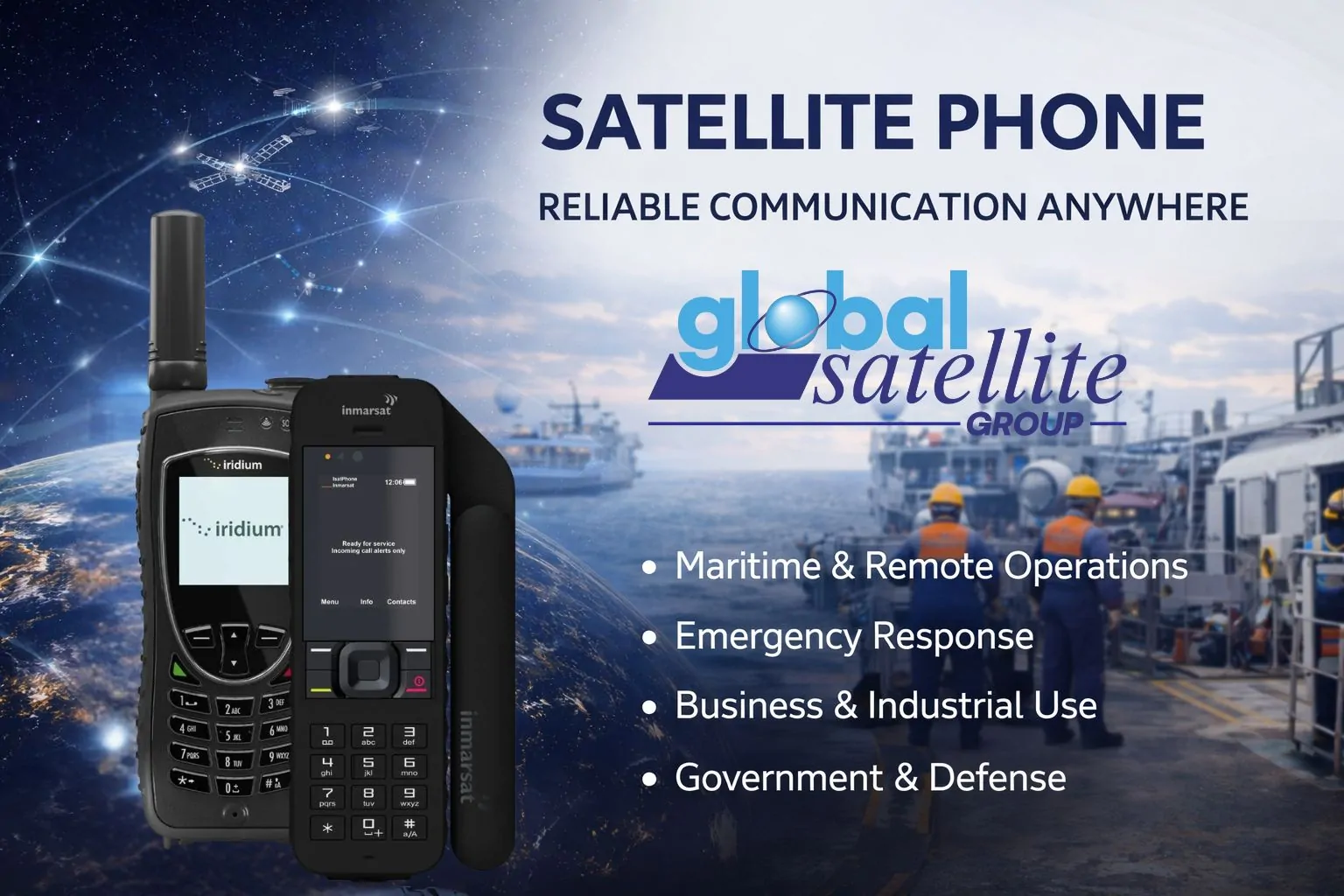
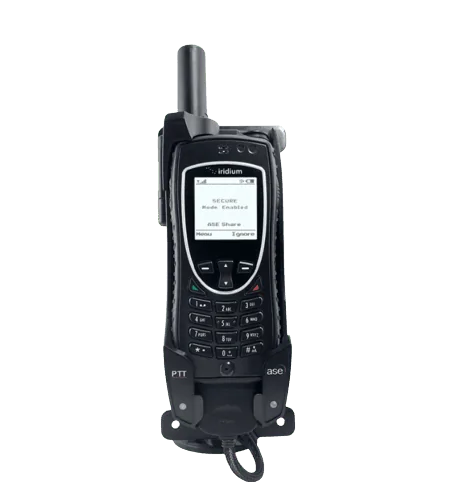
Several reputable brands dominate the satellite phone market, including Iridium, Inmarsat, and Thuraya. Each brand offers a range of models with varying features and pricing. For example, the Iridium 9555 is known for its rugged design and global coverage, while the Inmarsat IsatPhone 2 offers excellent battery life and connectivity options. Comparing models and reading user reviews can help potential buyers identify the best satellite phone for their specific requirements.
Pricing Options
Pricing for satellite phones can vary significantly based on the brand, model, and features. Entry-level models may start at around $500, while high-end devices can exceed $1,500. In addition to the upfront purchase price, users should consider service plans that can range from $20 to $200 per month, depending on usage and included features. It’s advisable to conduct thorough research on pricing options and service plans to find a device that fits both budget and communication needs.
Why Choose Global Satellite Group?
Expertise in Satellite Communication
Global Satellite Group is a leader in satellite communication solutions, offering a wealth of expertise to consumers and businesses alike. Due to their extensive knowledge of the industry, they provide tailored solutions that meet the diverse needs of their clients. Their team of professionals includes experts in satellite technology, ensuring that customers receive informed recommendations on the best devices and services for their specific uses.
Customer Support and Resources
Another key advantage of selecting Global Satellite Group is their commitment to customer support. They offer resources that help clients navigate the complexities of satellite communication, from selecting equipment to understanding service plans. Their dedicated support team is available to answer questions and provide assistance, ensuring that customers can make the most of their satellite communication solutions. This level of support is invaluable, particularly for users who may be unfamiliar with satellite technology.
Partnerships and Networks
Global Satellite Group has established strong partnerships and networks with leading satellite service providers. This enables them to offer comprehensive solutions that leverage the latest technology and innovations in satellite communication. Their extensive network ensures that clients have access to reliable and robust satellite services, making them a preferred choice for individuals and organizations seeking satellite phone solutions.
Conclusion
Summary of Key Points
In summary, satellite phones provide a vital communication tool for individuals and businesses operating in remote or challenging environments. They are essential for various industries, including emergency services, maritime operations, and outdoor adventures. With their global coverage, reliability, and unique features, satellite phones serve as an indispensable resource for maintaining communication in areas where traditional mobile networks may be inadequate.
Final Thoughts on Satellite Phones
Choosing a satellite phone involves considering factors such as coverage, features, and pricing. With the right device, users can ensure they remain connected, safe, and informed, regardless of their location. Companies like Global Satellite Group offer the expertise and support necessary to help individuals and businesses find the ideal satellite communication solutions for their needs.
FAQs
What is the main advantage of using a satellite phone?
The primary advantage of using a satellite phone is its global coverage, allowing users to communicate in remote areas where traditional mobile networks are unavailable. This makes it essential for emergency services and outdoor enthusiasts.
Can satellite phones send text messages and data?
Yes, many satellite phones support SMS messaging and some models have data capabilities, allowing users to send emails or access basic internet services, although data speeds are typically slower than those of mobile phones.
How do I choose the right satellite phone for my needs?
When choosing a satellite phone, consider factors such as battery life, call quality, features (like GPS), and coverage areas. Assess your specific needs based on your location and intended use to select the best device.
Are satellite phones expensive to operate?
Satellite phones can have higher initial costs and monthly service fees compared to mobile phones. However, the value they provide in remote areas often justifies the expense, especially for businesses and professionals who rely on communication.
Is it possible to use a satellite phone for regular calls?
Yes, satellite phones can be used to make regular calls to landlines and mobile phones, but the costs associated with outgoing and incoming calls are typically higher than those of standard mobile phone services.
📧 Stay connected with us:
📞 +1-954-459-3000 | +1-954-854-3389
📧 support@satphones.net | webcontact@satphones.net
🌍Discover our website : globalsatellite.us – globalsatellite.gi – globalsatellite.fr – globalsatellite.ky – globalsatellite.ma